The Great Smoky Mountains are a place of breathtaking beauty, where misty peaks roll into the horizon and ancient forests whisper tales of the Cherokee. But for many visitors, the ultimate thrill is the chance to see one of the park's most iconic residents: the American black bear. Seeing a bear in its natural habitat is an unforgettable experience, a moment of pure, untamed wilderness. This guide will show you the best places to find them, how to do so safely, and how to capture the moment forever.
Where to See Bears Highlights
- Cades Cove: The absolute best spot for bear sightings, especially on the 11-mile loop road.
- Roaring Fork Motor Nature Trail: A quieter alternative with excellent chances of seeing bears near the road.
- Newfound Gap Road: Drive to higher elevations for a different perspective and more bear-spotting opportunities.
- Cataloochee Valley: A remote, beautiful valley known for its historic buildings and abundant wildlife, including bears.
Cades Cove: The Ultimate Bear-Watching Destination
If there’s one place in the Smokies synonymous with bear sightings, it’s Cades Cove. This broad, verdant valley, surrounded by mountains, is a veritable paradise for wildlife. The 11-mile, one-way loop road that circles the cove is your front-row seat to the show. As you slowly wind your way through this historic landscape, keep your eyes peeled for black bears foraging in the fields, climbing trees, or ambling across the road. The open space of the cove makes spotting them easier than in the dense forest, which is why it’s the number one recommendation for bear watchers.
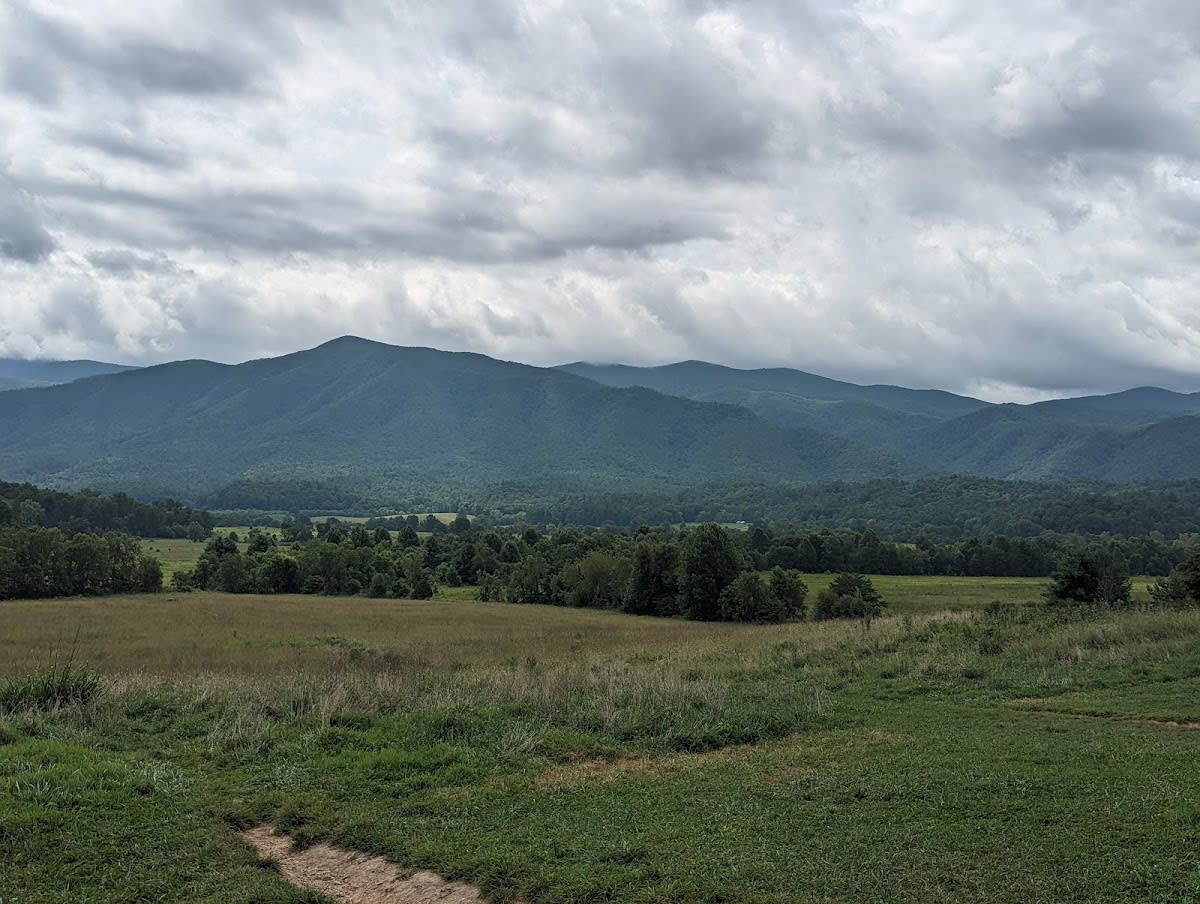
The key to a successful bear-spotting trip in Cades Cove is timing. The best times are early in the morning, right after the loop opens, and late in the afternoon, just before it closes. During these cooler parts of the day, bears are most active, searching for food. The loop can get very busy, especially during peak season, so be prepared for slow traffic. Think of it as a wildlife safari, Smoky Mountains style. Patience is often rewarded with incredible sightings.
Local Tip
On Wednesdays from early May through late September, the Cades Cove Loop Road is closed to motor vehicles all day to allow bicyclists and pedestrians to enjoy the cove. This is a fantastic opportunity to look for bears at a slower pace, but remember to be extra cautious and aware of your surroundings.
Roaring Fork Motor Nature Trail: A Serene Drive with Surprising Sightings
For a quieter, more intimate bear-watching experience, the Roaring Fork Motor Nature Trail is an excellent choice. This 5.5-mile, one-way loop road, accessible from Gatlinburg, winds through a lush, old-growth forest. The dense canopy and the sound of the Roaring Fork creek create a magical atmosphere. While the views aren't as wide-open as in Cades Cove, the chances of seeing a bear are surprisingly high. Bears are often seen along the roadside, foraging in the thick vegetation or crossing the road right in front of you.
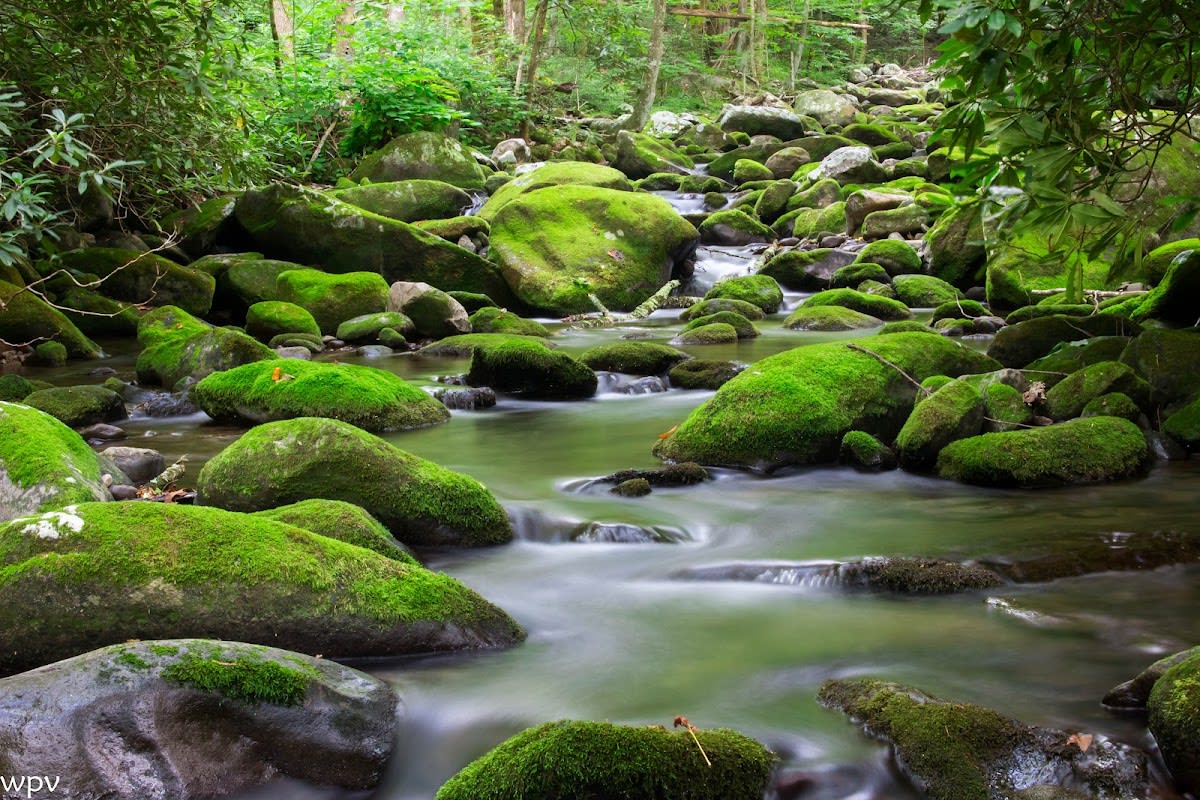
The narrow, winding road encourages a slow pace, which is perfect for wildlife spotting. The trail also offers access to several historic cabins, gristmills, and the trailhead for the popular Grotto Falls hike. Keep in mind that the Roaring Fork Motor Nature Trail is closed in the winter, so be sure to check the park's website for opening and closing dates.
Local Tip
The best time to drive the Roaring Fork Motor Nature Trail for bear sightings is in the late afternoon. As the sun begins to set, the bears become more active and are often seen foraging for their evening meal. The low light filtering through the trees also makes for some beautiful photo opportunities.
Chimney Tops Picnic Area: A Riverside Spot for Lunch and Lookouts
Located along Newfound Gap Road, the Chimney Tops Picnic Area is not just a great place to enjoy a packed lunch, it's also a surprisingly good spot for bear watching. The picnic area is situated right next to the West Prong of the Little Pigeon River, and the surrounding forest is prime bear habitat. It’s not uncommon to see bears wandering through the picnic area or along the riverbank, especially in the spring and early summer when food is plentiful.
While you’re enjoying your meal, keep a close eye on the trees and the surrounding woods. Bears are often attracted to the smells of food, so it’s crucial to be vigilant and to properly dispose of all your trash in the bear-proof cans provided. After your picnic, take a short walk along the river. The combination of water and dense forest makes this a very attractive area for bears.
Newfound Gap Road: Scenic Views and High-Elevation Bears
Newfound Gap Road is the main artery of the Great Smoky Mountains National Park, connecting Gatlinburg, Tennessee, to Cherokee, North Carolina. This scenic drive climbs to an elevation of over 5,000 feet, offering breathtaking views from numerous overlooks. It's also a fantastic route for spotting bears. As you drive, scan the forests along the roadside. Bears are often seen foraging on the steep slopes, especially in the areas with abundant berry bushes.
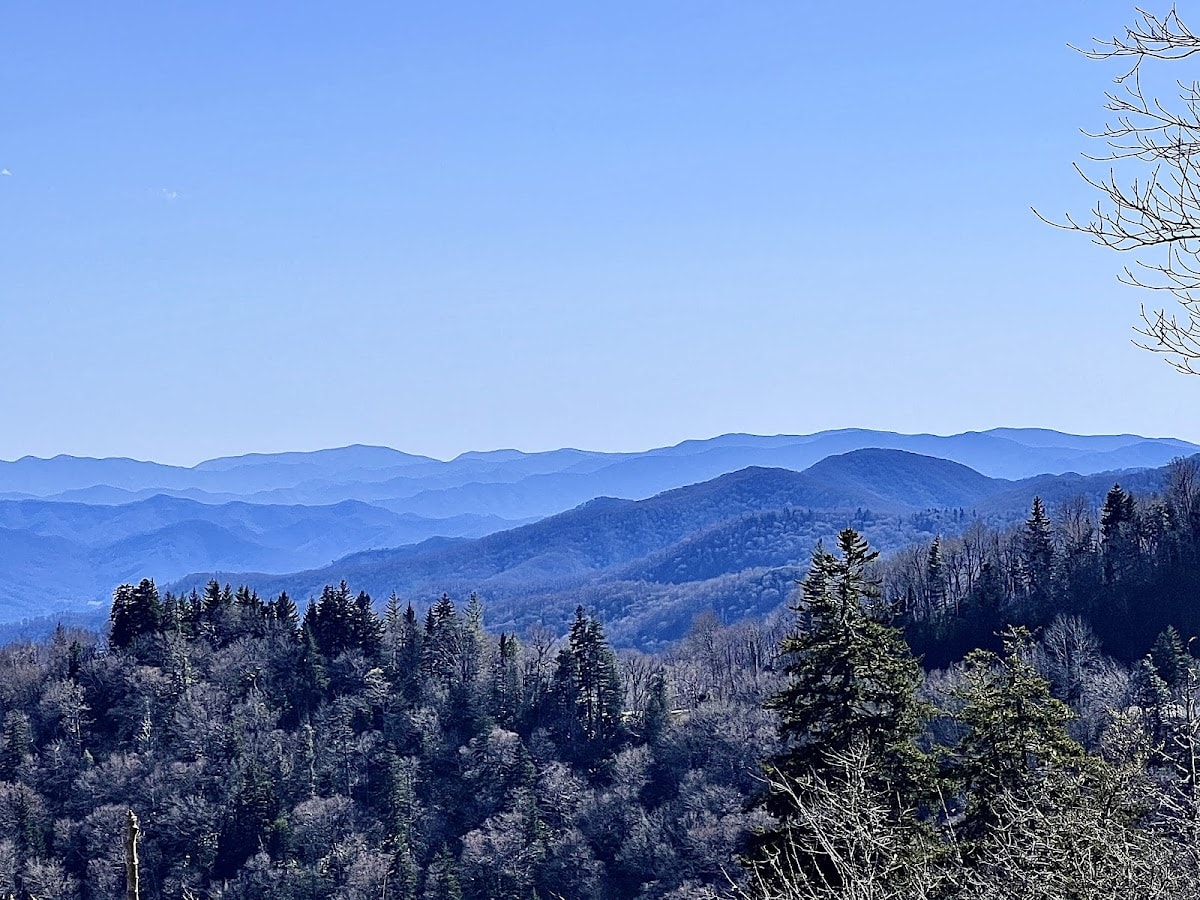
The overlooks themselves can be great places to spot bears. Pull over safely, get out your binoculars, and scan the distant hillsides. You might be surprised to see a bear moving through the trees. The area around Newfound Gap itself, with its large parking area and the Rockefeller Memorial, is another place to be on the lookout. The Appalachian Trail crosses here, and the surrounding forest is a popular spot for bears.
Cataloochee Valley: A Remote Gem for Wildlife Lovers
For the adventurous traveler willing to go off the beaten path, Cataloochee Valley is a true reward. Located on the eastern side of the park in North Carolina, this remote valley is known for its historic buildings, beautiful scenery, and incredible wildlife. It’s a bit of a journey to get there, involving a winding, gravel road, but the payoff is well worth it. Cataloochee is one of the best places in the park to see not only black bears but also elk, which were reintroduced to the valley in 2001.
The open fields of the valley, similar to Cades Cove, make for excellent wildlife viewing. Bears are often seen foraging in the meadows, especially in the morning and late afternoon. The drive into the valley itself can also be productive, so keep your eyes peeled as you make your way in. Once you’re in the valley, find a good spot to pull over, and just watch. The peaceful, uncrowded nature of Cataloochee makes for a truly special bear-watching experience.
Local Tip
The road to Cataloochee can be challenging for some vehicles, and it's closed in the winter. Always check the road conditions before you go. The valley is also a popular spot for elk viewing, especially during the fall rut. If you visit in September or October, you might be treated to the sound of bull elk bugling, a truly unforgettable experience.
Bear Safety: Respecting the Wildlife
Seeing a black bear in the wild is a thrilling experience, but it’s important to remember that these are powerful, wild animals. The Great Smoky Mountains National Park has specific rules in place to protect both you and the bears. The most important rule is to always stay at least 50 yards (150 feet) away from bears. This is for your safety and the bear's. Getting too close can cause the bear to feel threatened, which can lead to unpredictable behavior. It also helps keep the bears wild and wary of humans, which is essential for their survival.
Bear Safety Rules
- Stay 50 yards away: This is the most important rule. Use binoculars or a telephoto lens to get a closer look.
- Never feed the bears: A fed bear is a dead bear. Feeding bears makes them lose their natural fear of humans and become aggressive.
- Store food properly: When camping or picnicking, store all food and scented items in a locked vehicle or a bear-proof container.
- Dispose of trash correctly: Use the bear-proof trash cans provided throughout the park.
Best Times of Year to See Bears
While it’s possible to see bears in the Smokies year-round, your chances are best during certain seasons. In the spring, from April to May, bears are emerging from their dens and are actively searching for food. This is a great time to see them, especially the sows with their new cubs. Summer, from June to August, is also a peak time for bear activity. They are often seen foraging for berries and other food sources.
In the fall, from September to November, bears are in a state of hyperphagia, which means they are eating almost constantly to build up fat reserves for winter. This is another excellent time for bear watching. During the winter, from December to March, most bears are in their dens. While it’s not impossible to see a bear in the winter, it is much less likely.
Photography Tips: Capturing the Moment
Photographing bears in their natural habitat can be a rewarding challenge. The most important piece of equipment you can have is a telephoto lens. This will allow you to get frame-filling shots of the bears without violating the 50-yard rule. A lens with a focal length of at least 300mm is recommended. If you’re shooting with a smartphone, you can use a telephoto attachment to get a closer view.
The best light for photography is early in the morning and late in the afternoon, which happily coincides with the times when bears are most active. This soft, golden light will make your photos look much more dramatic and beautiful. When you’re composing your shot, try to include some of the surrounding environment to tell a story. A photo of a bear in the context of the beautiful Smoky Mountains landscape is much more powerful than a simple close-up.
What to Do if You Encounter a Bear
Most of the time, if you see a bear in the park, it will be from the safety of your car. However, if you encounter a bear while hiking or walking, it’s important to know what to do. First, don’t panic. The bear is most likely just as surprised to see you as you are to see it. Never run from a bear, as this can trigger its predatory instinct. Instead, back away slowly, speaking in a calm, firm voice. This lets the bear know you are human and not a prey animal.
If the bear continues to approach or follow you, stand your ground and make yourself look as large as possible. You can do this by raising your arms and standing tall. If you are with others, group together. Make loud noises by shouting, clapping your hands, or banging pots and pans. The goal is to intimidate the bear and convince it that you are not worth the trouble. In the vast majority of cases, this will be enough to scare the bear away.
Plan Your Smoky Mountain Adventure
Seeing a bear in the Great Smoky Mountains is a highlight of any trip, a memory that will last a lifetime. By visiting the right places at the right times and always following the rules of bear safety, you can greatly increase your chances of having this incredible experience. Whether you’re cruising the Cades Cove loop, exploring the quiet beauty of Cataloochee, or driving the scenic Newfound Gap Road, the bears are out there, waiting to be discovered.
Ready to start planning your own bear-watching adventure? Vantage Stays offers a wide selection of beautiful cabin rentals throughout the Smoky Mountains, providing the perfect home base for your wildlife explorations. From cozy cabins for two to spacious lodges for the whole family, we have the perfect place for you to relax and reconnect with nature after a day of adventure in the park.