The Great Smoky Mountains are a realm of breathtaking vistas and ancient forests, a place where nature’s grandeur is on full display. But beyond the sweeping landscapes and misty peaks lies a world teeming with life, a vibrant tapestry of wild creatures that call these mountains home. For many visitors, the thrill of spotting a majestic black bear ambling through a meadow or hearing the haunting bugle of an elk at dusk is the highlight of their trip, a moment of connection with the untamed spirit of the Smokies. This guide is your passport to that world, a local’s look into the heart of Smoky Mountain wildlife and where to find it.
The Giants of the Smokies: American Black Bears
The American black bear is the symbol of the Smokies, a powerful and intelligent creature that commands both respect and admiration. Seeing one in its natural habitat is an unforgettable experience. The park is one of the largest protected areas in the eastern United States where black bears can live in wild, natural surroundings. Biologists estimate that roughly 1,900 bears live in the park, a density of approximately two bears per square mile.
Where to See Them
Without a doubt, the most renowned location for bear sightings is Cades Cove. This broad, verdant valley, encircled by an 11-mile one-way loop road, offers a perfect combination of open meadows and forested edges where bears often emerge to forage. Another excellent spot is the Roaring Fork Motor Nature Trail, a winding, narrow road that takes you through lush forests and past historic homesteads. Bears are frequently seen along the roadside or in the trees here.
Best Times for Viewing
Bears are most active during the early morning hours and late in the evening. Plan to be in Cades Cove or on the Roaring Fork trail as the sun is rising or setting for your best chances. Summer and fall are prime seasons, as bears are actively searching for food.
Safety and Respect
Encountering a bear is a thrilling moment, but it’s crucial to remember that these are wild animals. Never feed the bears. A fed bear is a dead bear. It's a saying for a reason. Bears that become accustomed to human food can become aggressive and may need to be euthanized. Always keep a safe distance of at least 50 yards. If a bear changes its behavior because of your presence, you are too close. If you encounter one on a trail, slowly back away and make noise to ensure it is aware of you.
Majestic Monarchs: The Elk of Cataloochee Valley
Once native to the area but wiped out by over-hunting and habitat loss, the majestic elk were reintroduced to the park in 2001. Today, a thriving herd of these magnificent animals roams the valleys of the Smokies, their presence a testament to successful conservation efforts. Hearing the bull elk’s distinctive bugle echo through the mountains during the fall rut is a truly wild and unforgettable sound.
Where to See Them
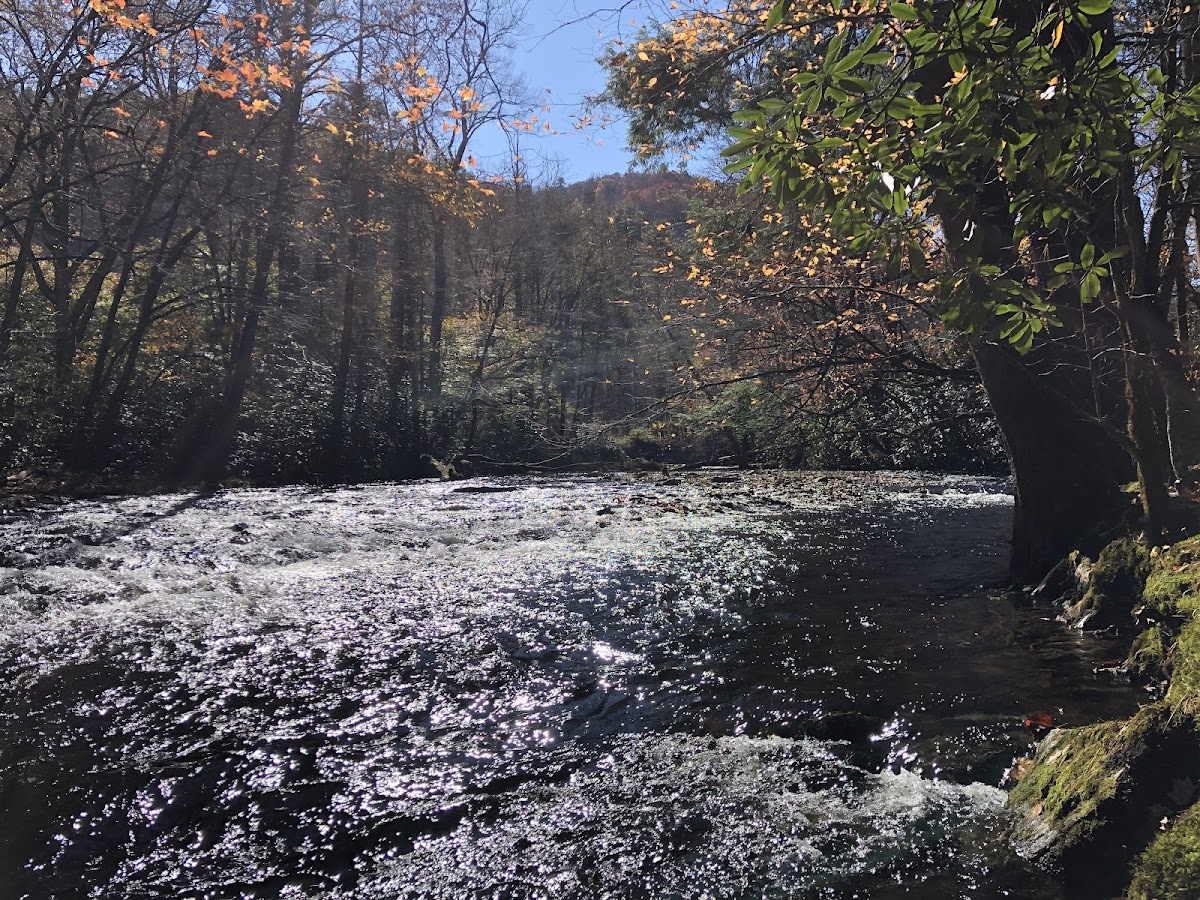
The heart of the Smokies’ elk population is in Cataloochee Valley, a remote and beautiful area on the North Carolina side of the park. The valley’s open fields and meadows provide the perfect habitat for grazing elk. The drive into Cataloochee is an adventure in itself, a winding mountain road that leads to a place that feels like a step back in time. You can also frequently spot elk near the Oconaluftee Visitor Center just outside of Cherokee, NC.
Best Times for Viewing
Similar to bears, elk are most active at dawn and dusk. The best time of year to see them is during the fall, from mid-September through October, which is their mating season, or “rut.” During this time, the bulls are especially active, bugling and displaying their large antlers to attract cows.
Safety and Respect
While elk may seem placid, they are large, powerful animals. It is illegal to willfully approach within 25 yards (75 feet) of an elk. During the fall rut, bull elk can be particularly aggressive and unpredictable. Never get between a bull and his harem of cows. Use a telephoto lens or binoculars for close-up views and photographs.
Gentle Grazers and Feathered Friends
Beyond the headliners, the Smokies are home to a rich supporting cast of wildlife, including the ever-present white-tailed deer and the gobbling wild turkey. These animals are a common and welcome sight for many visitors, adding to the pastoral charm of areas like Cades Cove.
White-Tailed Deer
Graceful and gentle, the white-tailed deer is one of the most commonly seen animals in the national park. They are often found grazing in open fields and meadows, particularly in Cades Cove. You might see them alone or in small groups, their reddish-brown coats blending in with the surrounding landscape. Fawns, with their spotted coats, are a particularly endearing sight in the late spring and early summer.
Wild Turkeys
Listen for the distinctive gobble of the wild turkey, another Cades Cove regular. These large birds are often seen in flocks, scratching at the ground for acorns and insects. In the spring, the males, or toms, put on a spectacular show, fanning their impressive tail feathers and strutting to attract mates. It’s a fantastic display of natural showmanship.
The Salamander Capital of the World
While the bears and elk may get the most attention, the Great Smoky Mountains hold a secret, smaller wonder: they are the undisputed “Salamander Capital of the World.” The park is home to an incredible diversity of salamanders, with over 30 species identified. These fascinating amphibians thrive in the cool, moist, and shaded environments provided by the park’s thousands of miles of streams and dense forest canopy.
Why So Many Salamanders?
The sheer variety of elevations and microclimates in the Smokies has allowed for an explosion of salamander diversity. Many of these species are lungless, meaning they “breathe” through their skin, which must remain moist. The abundant rainfall and clean, clear streams of the park create the perfect conditions for them to flourish. Some species, like the iconic Red-cheeked Salamander (Plethodon jordani), are found only in the southern Appalachians.
Where to Look for Them
Finding salamanders requires a bit of patience and a gentle touch. They are most often found in or near water. Look under rocks or logs in and along streams. A great place to start is the trail to Grotto Falls, where the moist, shady environment is ideal. Remember, if you do gently lift a rock to peek, be sure to place it back exactly as you found it to protect their delicate habitat.
A Symphony of Light: Synchronous Fireflies
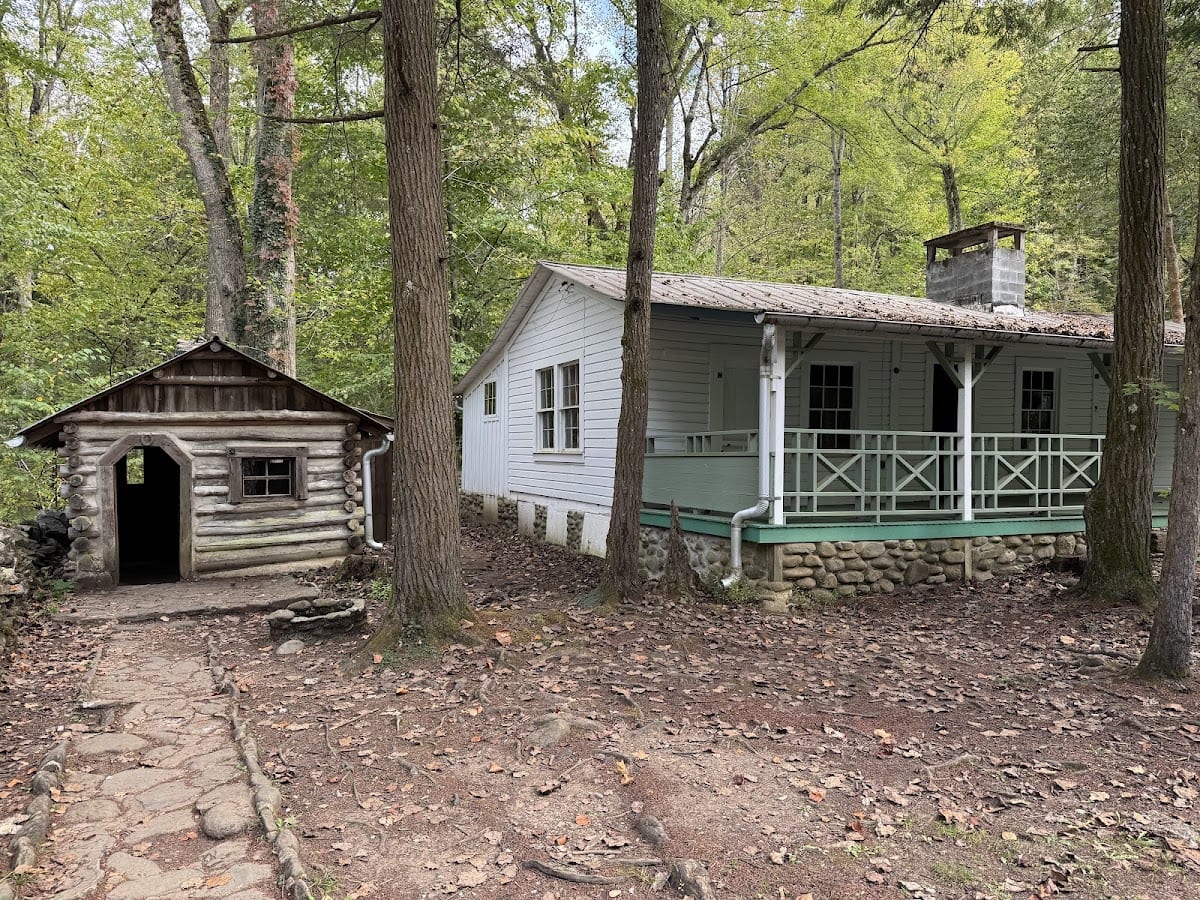
For a few weeks every year, a truly magical event takes place in the Elkmont area of the park. Thousands of synchronous fireflies (Photinus carolinus) put on a dazzling light show, flashing in unison. It’s one of the most incredible natural phenomena in the world, and the Smokies are one of the few places on the planet where you can witness it.
The Magic of Synchronicity
What makes this display so special is the way the fireflies synchronize their flashing patterns. The males fly through the air, flashing a series of 5-8 times in unison, followed by a period of darkness. Then, the females, perched on the ground, respond with their own flashes. The result is a breathtaking symphony of light that pulses through the forest.
How to See Them
The synchronous firefly viewing is an extremely popular event, and access to the Elkmont area is limited to protect the firefly habitat. The National Park Service holds a lottery for vehicle passes to the viewing area. The lottery typically opens in late April for the viewing dates in late May or early June. Winning a pass is a matter of luck, but it’s the only way to guarantee a spot.
A Guide to Safe Wildlife Viewing
The thrill of seeing a wild animal in its natural habitat is immense, but it comes with a responsibility to be safe and respectful. The well-being of both the animals and visitors depends on everyone following a few key guidelines. These rules are in place to protect the park’s wildlife and ensure that future generations can enjoy the same incredible experiences.
What to Do If You Encounter a Bear
If you see a bear, remain watchful. Do not approach it. If your presence causes the bear to change its behavior, you are too close. If you are on a trail, slowly back away, speaking in a calm, assertive voice. If the bear continues to approach, stand your ground, make yourself look as large as possible, and make loud noises. Do not run and do not turn your back on the bear. In the rare event of an attack, fight back with everything you have. Do not play dead.
Plan Your Ultimate Wildlife Adventure
The Great Smoky Mountains offer a rare opportunity to witness a diverse array of wildlife in a spectacular natural setting. From the majestic black bears of Cades Cove to the bugling elk of Cataloochee and the magical dance of the synchronous fireflies, there is always something incredible to see. The key to a successful wildlife-watching trip is planning, patience, and a deep respect for the animals that call this park home.
Ready to start your adventure? The perfect home base for all your wildlife explorations is a cozy cabin nestled in the mountains. Vantage Stays offers a wide selection of beautiful cabins, from rustic retreats to luxurious lodges, providing the perfect place to relax and recount the day’s adventures. Book your stay today and get ready to create memories that will last a lifetime.