2 Places
Bird Watching
Over 2 bird species have been recorded in Great Smoky Mountains National Park. From tiny warblers in spring migration to red-tailed hawks soaring the ridgelines year-round, the Smokies is one of the best birding destinations in the eastern United States.
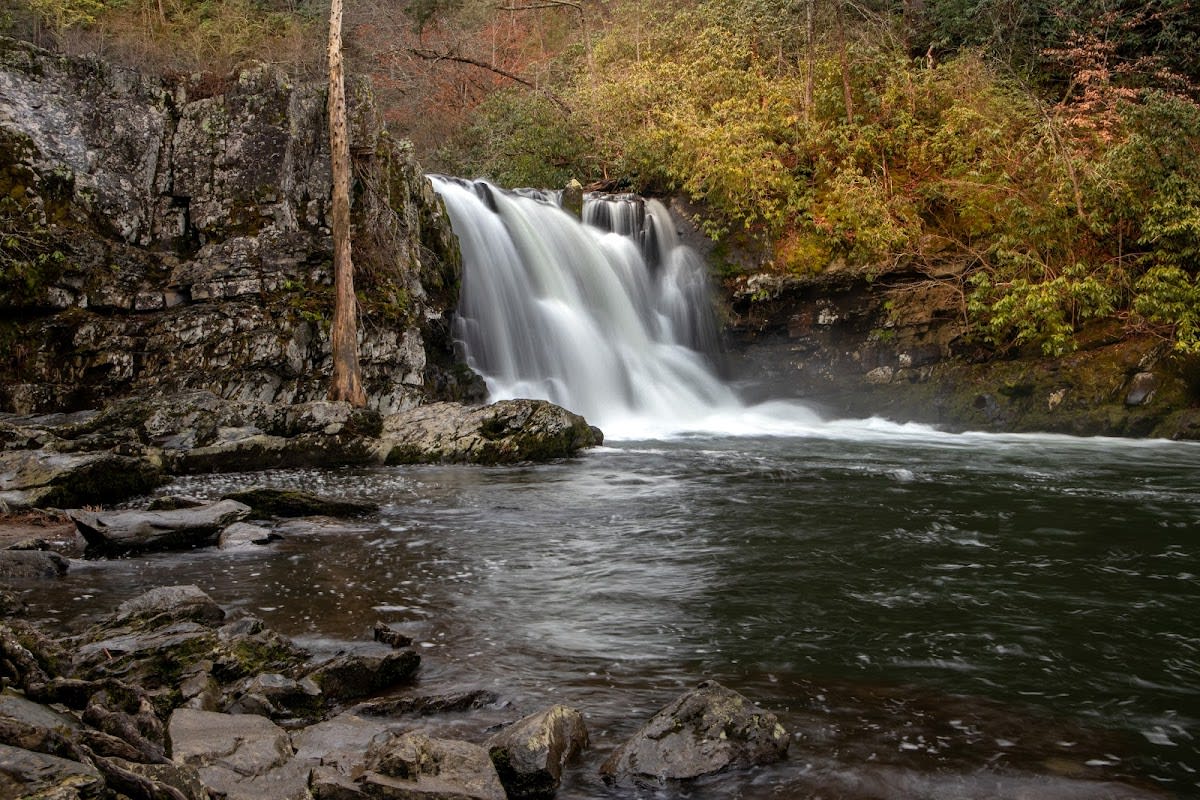 Great Smoky Mountains NP
Abrams Falls Trail
5-mile trail to powerful waterfall
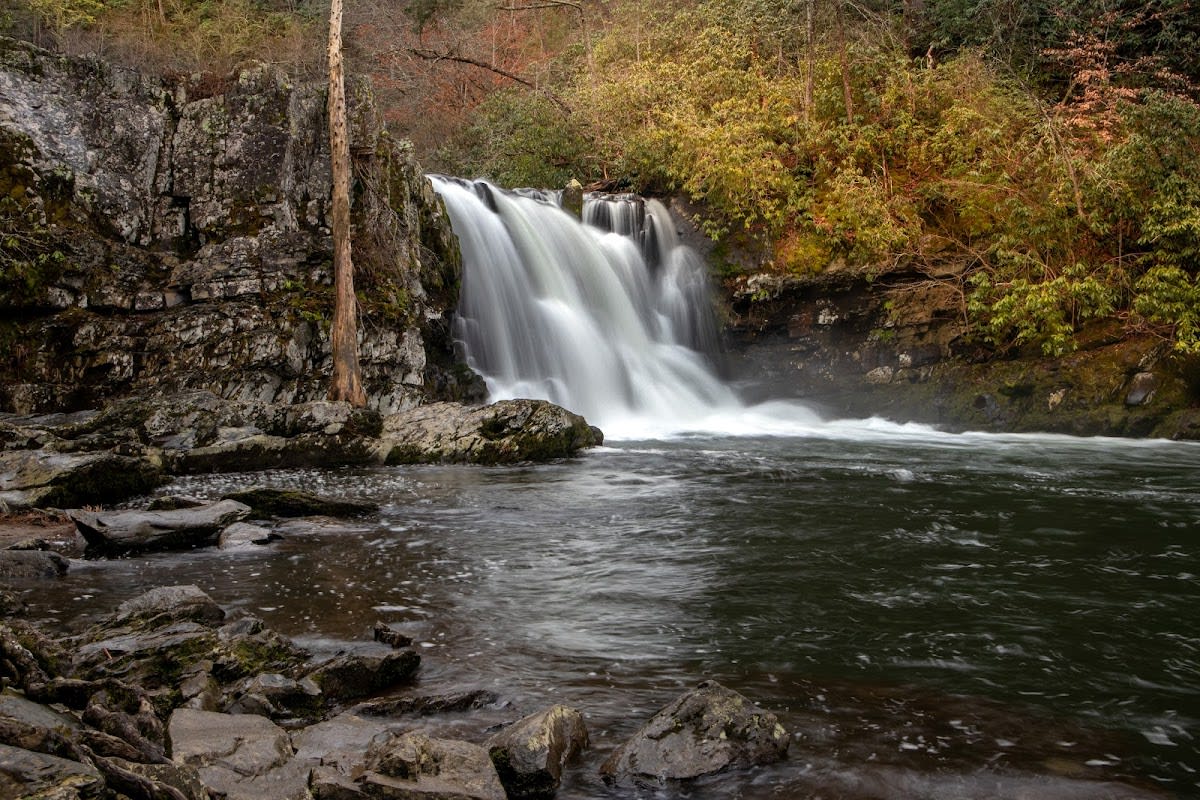 National Park
Abrams Falls - Cades Cove
Powerful 20-ft waterfall & scenic trail
What to Know
Best Seasons
Spring migration (April-May) is peak: warblers, vireos, tanagers, and thrushes pour through in waves. Summer: nesting birds are vocal and territorial. Fall migration (September-October) brings raptors. Winter: fewer species but resident birds including dark-eyed juncos, golden-crowned kinglets, and occasional irruptive finches.
What to Bring
Binoculars are essential (8x42 or 10x42 recommended). eBird app. Field guide. Layers for cool mornings. Notebook or phone for logging sightings. Tripod with spotting scope for distant raptors.
Finding the Right Bird Watching for Your Group
For Beginners
Start at Cades Cove where birds in open meadows are easy to see. Common species like Eastern bluebirds, American goldfinches, and red-tailed hawks are reliably present and easy to identify.
For Experienced Birders
Target the high-elevation spruce-fir habitat near Clingmans Dome for boreal species. Yellow-bellied sapsuckers, red crossbills, and the rare Bicknell's thrush are documented in the park.
For Families with Kids
Wild turkeys and white-tailed deer often accompany bird watching at Cades Cove, making it a multi-species experience that keeps kids engaged. Great horned owls roost near the historic mill.
Tips and Getting There
Insider Tips
- The park has recorded over 30 species of wood warblers in a single spring day along Roaring Fork. Go on a warm morning after a cold front passes for peak warbler movement.
- Clingmans Dome road in June reliably produces Canada warblers, veeries, and sometimes the state-listed saw-whet owls at dusk.
- Report unusual sightings to eBird. The Smokies birding community is active and the data helps researchers track population trends.
Getting There and Parking
Cades Cove is 25 miles west of Gatlinburg via Little River Road. Roaring Fork Motor Nature Trail is 2 miles from the Gatlinburg welcome center (seasonal, closes in winter). Clingmans Dome road is 22 miles from Gatlinburg and closes December through March.
Frequently Asked Questions
What is the best time of year to go bird watching in the Smokies?
Are there birding guides or tours available?
What bird species are unique to the Smokies?
Do I need a permit to go bird watching in the national park?
What apps are most useful for bird watching?
Can I hear owls in the Smokies?
Vantage Stays · Smoky Mountain Guide
Bird Watching
Great Smoky Mountains National Park is home to over 2 bird species. Spot warblers, raptors, wild turkeys, and rare mountain birds on trails from Cades Cove.
Scan for live
hours & details
What to Know
Best Seasons
Spring migration (April-May) is peak: warblers, vireos, tanagers, and thrushes pour through in waves. Summer: nesting birds are vocal and territorial. Fall migration (September-October) brings raptors. Winter: fewer species but resident birds including dark-eyed juncos, golden-crowned kinglets, and occasional irruptive finches.
What to Bring
Binoculars are essential (8x42 or 10x42 recommended). eBird app. Field guide. Layers for cool mornings. Notebook or phone for logging sightings. Tripod with spotting scope for distant raptors.
The Checklist
| Place | Rating | Hours | Phone | Address | |
|---|---|---|---|---|---|
| Great Smoky Mountains NP | |||||
| Abrams Falls Trail | 4.7 ★ | Sunrise to Sunset | Cades Cove, Great Smoky Mountains NP | ||
| National Park | |||||
| Abrams Falls - Cades Cove | 4.8 ★ | Daylight Hours | Abrams Falls Trail (off Cades Cove Loop Road) | ||
Picking the Right One for Your Group
For Beginners
Start at Cades Cove where birds in open meadows are easy to see. Common species like Eastern bluebirds, American goldfinches, and red-tailed hawks are reliably present and easy to identify.
For Experienced Birders
Target the high-elevation spruce-fir habitat near Clingmans Dome for boreal species. Yellow-bellied sapsuckers, red crossbills, and the rare Bicknell's thrush are documented in the park.
For Families with Kids
Wild turkeys and white-tailed deer often accompany bird watching at Cades Cove, making it a multi-species experience that keeps kids engaged. Great horned owls roost near the historic mill.
Insider Tips
- The park has recorded over 30 species of wood warblers in a single spring day along Roaring Fork. Go on a warm morning after a cold front passes for peak warbler movement.
- Clingmans Dome road in June reliably produces Canada warblers, veeries, and sometimes the state-listed saw-whet owls at dusk.
- Report unusual sightings to eBird. The Smokies birding community is active and the data helps researchers track population trends.