3 Places
Wildlife Watching
Great Smoky Mountains National Park is one of the best places in the eastern United States to see black bears, elk, white-tailed deer, and wild turkeys in the wild. Cades Cove and Cataloochee Valley are the two must-visit destinations.
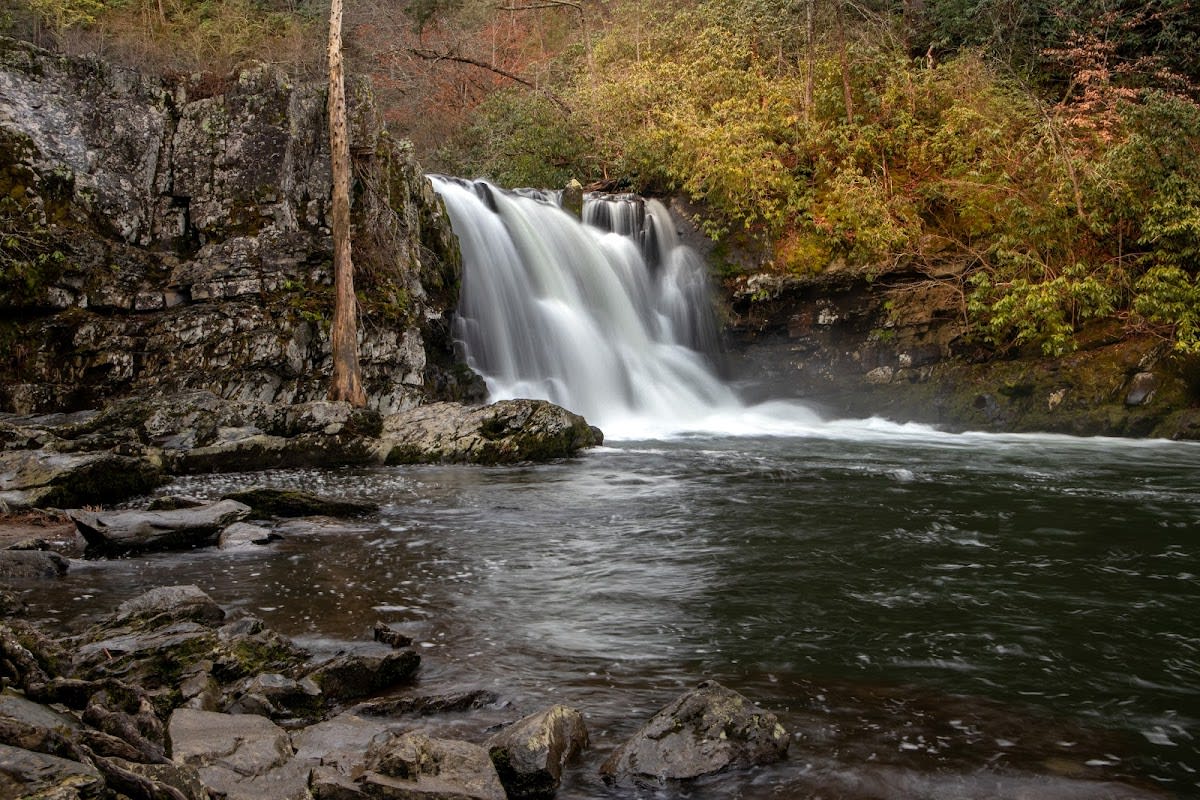 Great Smoky Mountains NP
Abrams Falls Trail
5-mile trail to powerful waterfall
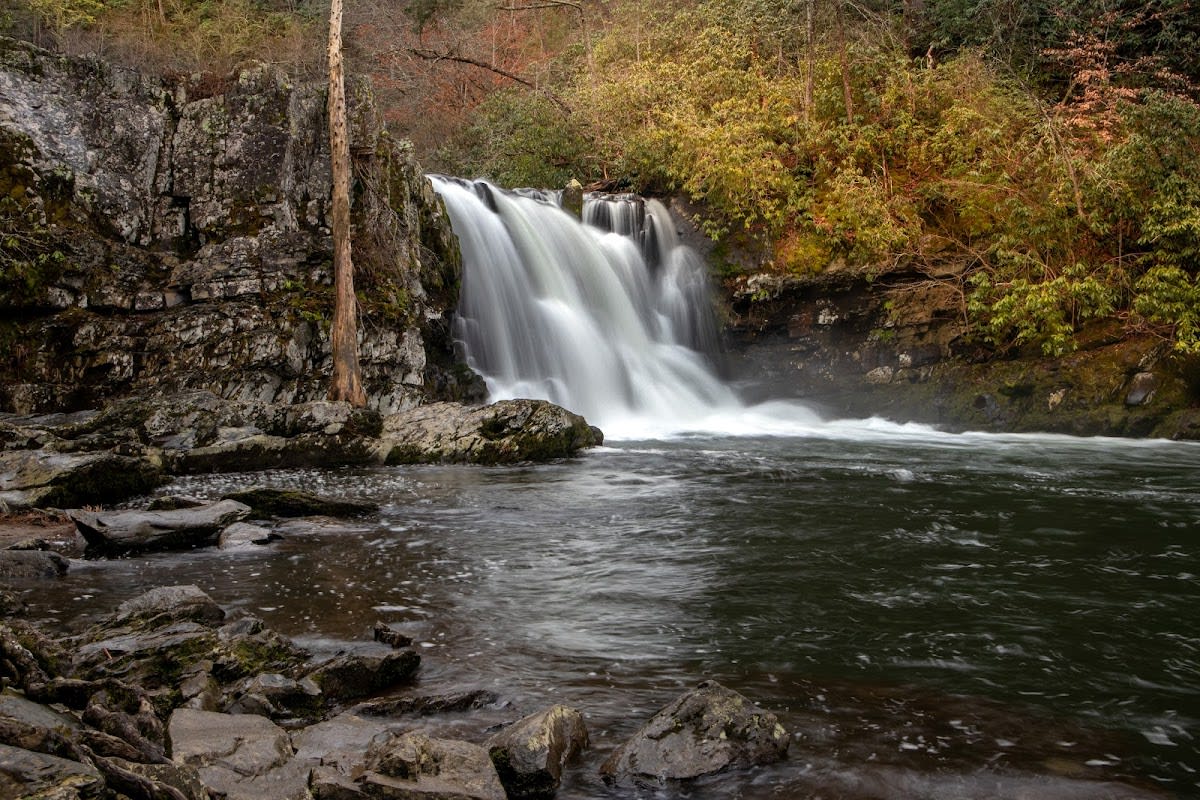 National Park
Abrams Falls - Cades Cove
Powerful 20-ft waterfall & scenic trail
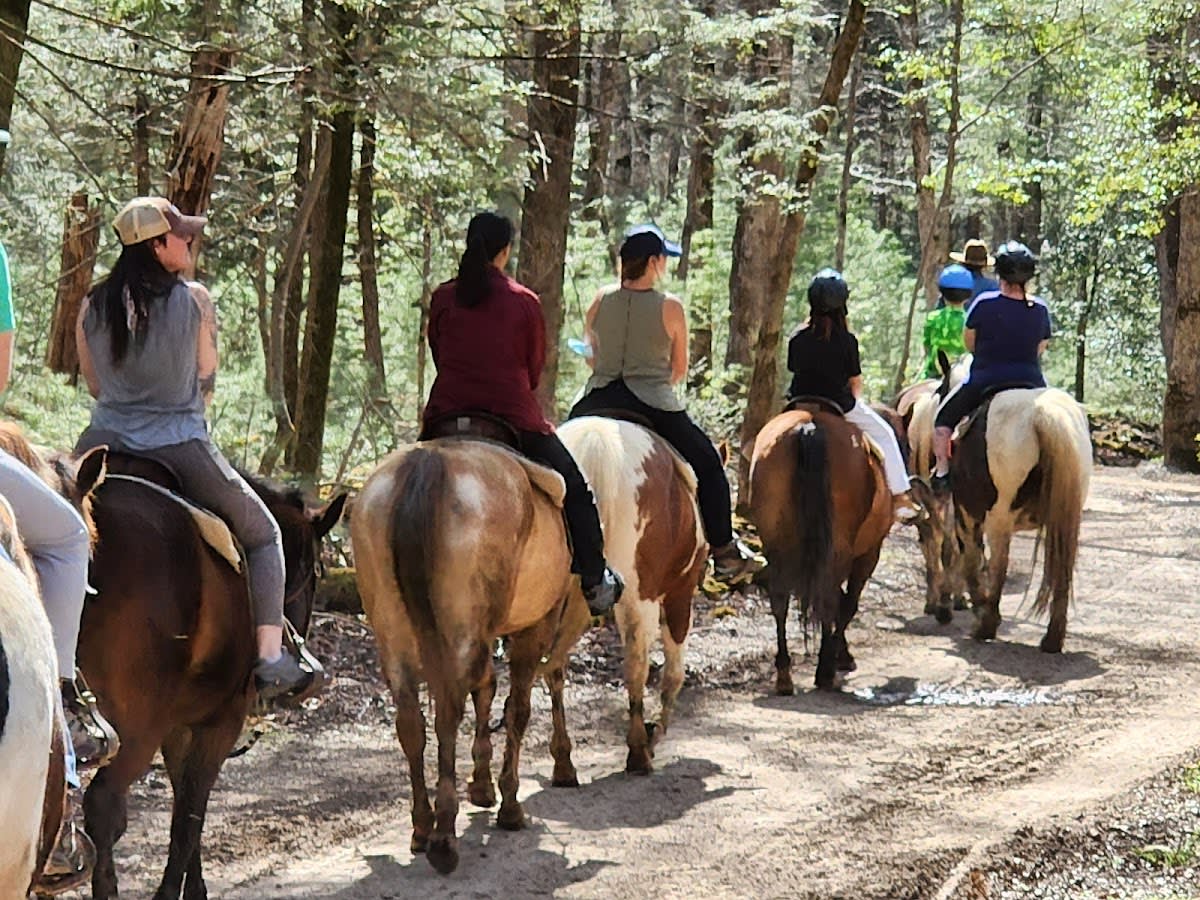 National Park
Cades Cove Carriage Rides
Guided horse-drawn carriage rides
What to Know
Best Seasons
Year-round. Spring: bears with cubs emerge from dens (April-May). Summer: deer with fawns, turkeys with chicks. Fall: elk rut at Cataloochee (September-October); the most dramatic wildlife event in the park. Winter: smaller crowds, easier to spot animals on bare hillsides.
What to Bring
Binoculars are essential. Camera with a zoom lens. Layers; mornings in the cove can be 20 degrees cooler than the valley. Snacks. Do NOT bring food that can attract bears.
Finding the Right Wildlife Watching for Your Group
For Photographers
Cades Cove at sunrise during fall foliage is one of the most photogenic scenes in the eastern US. Mist in the meadow, deer in the foreground, mountains behind. Bring a tripod.
For Families with Kids
The cove loop is excellent for families; kids can spot deer from the car window without hiking. The historic mill and homesteads along the loop are bonus educational stops.
For Serious Nature Seekers
Cataloochee Valley during elk rut is a bucket-list event. The valley is less visited than Cades Cove and the experience is more wild and intimate.
For First-Time Park Visitors
Start with Cades Cove; it is the most reliable wildlife location and gives a great overview of the park's habitats. Buy a field guide at the visitor center.
Tips and Getting There
Insider Tips
- Cades Cove closes to vehicles on Wednesdays and Saturdays mornings until 10 AM for cyclists; avoid those mornings by car.
- For elk at Cataloochee, arrive before 6 AM in September and October. Hearing the bull elk bugling in the fog-filled valley is one of the most remarkable experiences in the Smokies.
- Never approach wildlife. The rule is 50 yards minimum from deer and turkey, 150 yards from bears and elk. Use your zoom lens.
Getting There and Parking
Cades Cove: Take Little River Road west from Gatlinburg (25 miles, 45 minutes). No fee beyond park entrance. Cataloochee Valley: Take I-40 East to exit 20, then 11 miles of winding mountain road. Parking lots are small; arrive early. No cell service in either valley.
Frequently Asked Questions
Is wildlife watching free?
Are black bear sightings common?
When is the best time to see elk?
What should I do if I see a bear on the trail?
Can I see wildlife from my car?
What other wildlife might I see beyond bears and elk?
Vantage Stays · Smoky Mountain Guide
Wildlife Watching
Spot black bears, elk, deer, and wild turkeys in Great Smoky Mountains National Park. Cades Cove and Cataloochee Valley are the premier wildlife watching destinations.
Scan for live
hours & details
What to Know
Best Seasons
Year-round. Spring: bears with cubs emerge from dens (April-May). Summer: deer with fawns, turkeys with chicks. Fall: elk rut at Cataloochee (September-October); the most dramatic wildlife event in the park. Winter: smaller crowds, easier to spot animals on bare hillsides.
What to Bring
Binoculars are essential. Camera with a zoom lens. Layers; mornings in the cove can be 20 degrees cooler than the valley. Snacks. Do NOT bring food that can attract bears.
The Checklist
| Place | Rating | Hours | Phone | Address | |
|---|---|---|---|---|---|
| Great Smoky Mountains NP | |||||
| Abrams Falls Trail | 4.7 ★ | Sunrise to Sunset | Cades Cove, Great Smoky Mountains NP | ||
| National Park | |||||
| Abrams Falls - Cades Cove | 4.8 ★ | Daylight Hours | Abrams Falls Trail (off Cades Cove Loop Road) | ||
| Cades Cove Carriage Rides | 4.7 ★ | During Cove Hours | (865) 448-9009 | Cades Cove Loop Rd, Great Smoky Mountains NP | |
Picking the Right One for Your Group
For Photographers
Cades Cove at sunrise during fall foliage is one of the most photogenic scenes in the eastern US. Mist in the meadow, deer in the foreground, mountains behind. Bring a tripod.
For Families with Kids
The cove loop is excellent for families; kids can spot deer from the car window without hiking. The historic mill and homesteads along the loop are bonus educational stops.
For Serious Nature Seekers
Cataloochee Valley during elk rut is a bucket-list event. The valley is less visited than Cades Cove and the experience is more wild and intimate.
For First-Time Park Visitors
Start with Cades Cove; it is the most reliable wildlife location and gives a great overview of the park's habitats. Buy a field guide at the visitor center.
Insider Tips
- Cades Cove closes to vehicles on Wednesdays and Saturdays mornings until 10 AM for cyclists; avoid those mornings by car.
- For elk at Cataloochee, arrive before 6 AM in September and October. Hearing the bull elk bugling in the fog-filled valley is one of the most remarkable experiences in the Smokies.
- Never approach wildlife. The rule is 50 yards minimum from deer and turkey, 150 yards from bears and elk. Use your zoom lens.